National Surveillance and Warning Capability launched to protect NZ subsea infrastructure

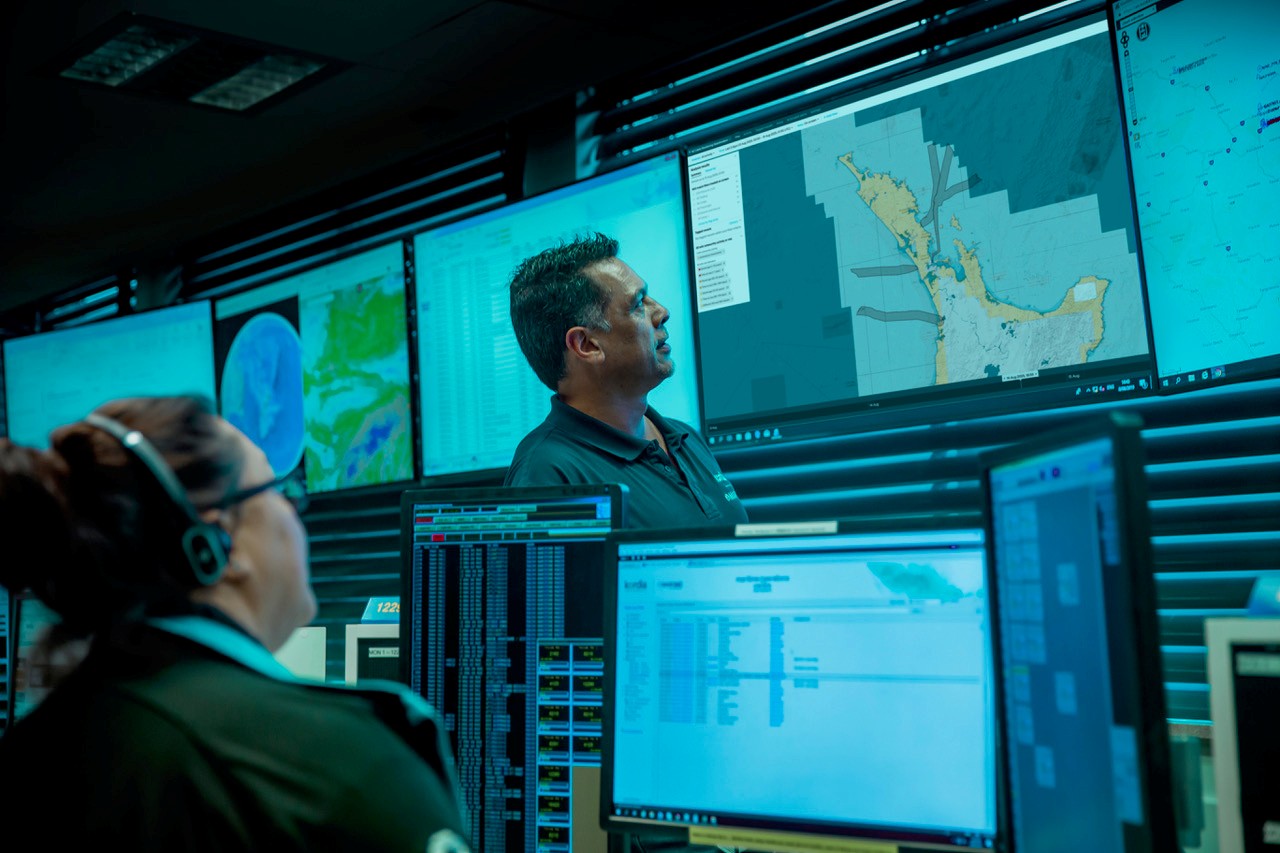
Unveiled by Associate Transport Minister James Meager at the Maritime Operations Centre in Wellington, this system is delivered by Starboard Maritime Intelligence whose platform detects high-risk vessels, and Kordia, which runs the 24/7 Maritime Operations Centre.
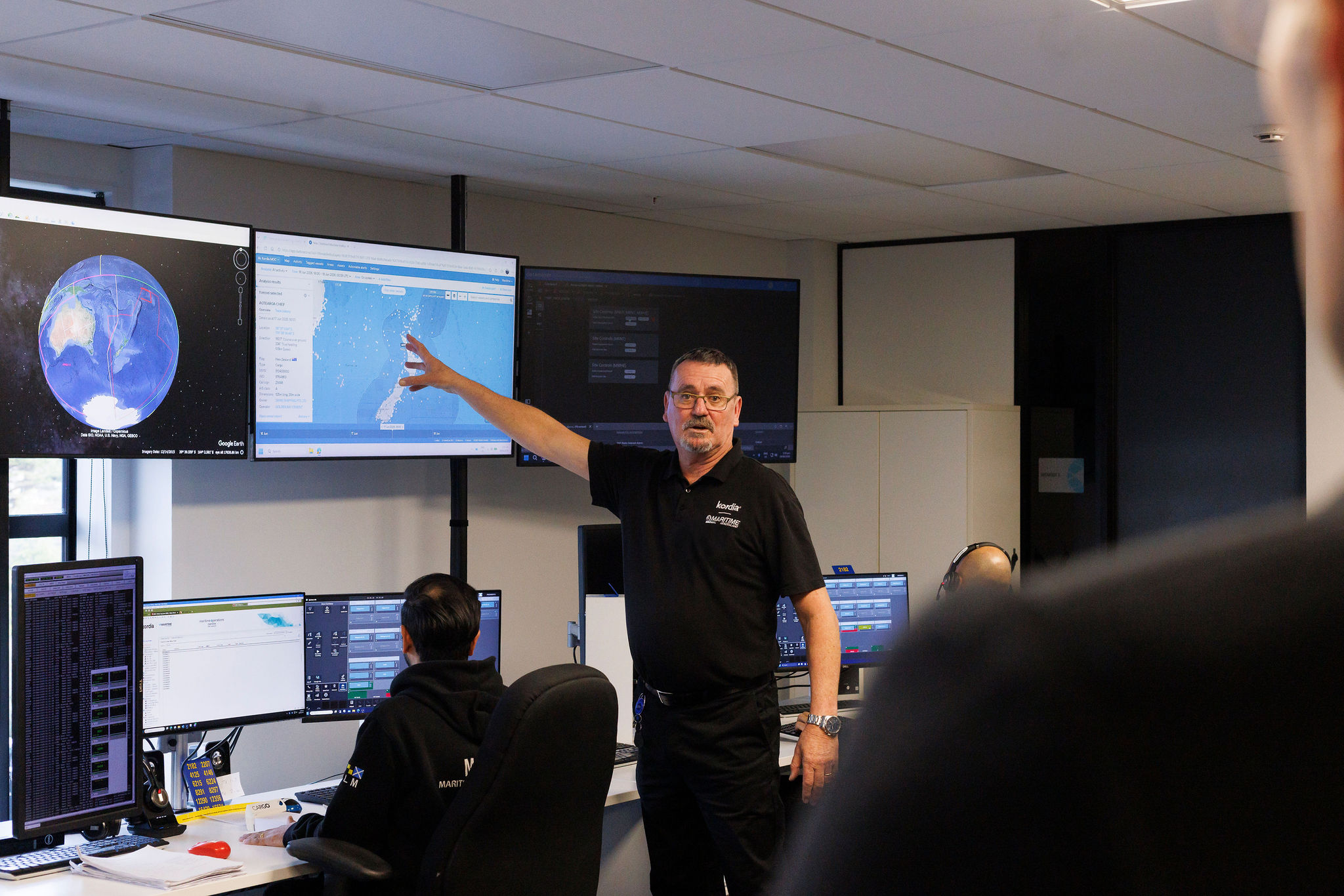
Photo credit: Sara Tansy//Le Tans Photography
The capability uses Starboard’s data fusion and machine learning models to analyse the behaviour of vessels operating close to subsea cables, and to flag high-risk ships that could cause damage to infrastructure. Kordia’s 24/7 Maritime Operations Centre reviews these automated alerts and contacts mariners directly via radio to prompt a change in course before any damage can occur.
“This new monitoring system is a world-first and will go a long way in ensuring submarine cables on our shores are protected,” says James Meager, Associate Transport Minister. “Large volumes of these cables are vulnerable to damage, particularly those in waters shallower than 200 metres which lie close to busy fishing and shipping routes. Even minor contact from fishing gear or anchors can compromise a cable’s protective outer layer. When this occurs, there is a real risk of widespread digital disruption, with significant impacts for businesses, communities and the wider economy.”
Key trial outcomes
The launch of the NSWC transitions a recent industry trial into a permanent, preventative national capability. Between 11 August and 5 September 2025, the trial used Starboard to monitor four major cables within New Zealand’s Exclusive Economic Zone: Southern Cross, Southern Cross NEXT, Tasman Global Access, and Hawaiki.
Over the trial period, more than 670 automatic identification system (AIS)-equipped vessels transited the monitored areas. The trial results included:
Jonty Kelt, Board Chair at Starboard Maritime Intelligence says, “Protecting the cables on the seabed has become a resilience priority for every connected country. New Zealand has shown it can be done, and the capability we’ve built with Kordia and the Government is already protecting infrastructure across European waters. That a country our size has created a model with relevance beyond our shores speaks to what New Zealand technology can contribute on the world stage."
This technology is also being adopted internationally. In May, Starboard secured a contract to deliver this capability in European waters, safeguarding Tampnet’s communication networks in the North Sea.
Read Hon James Meager's press release on the Beehive website.
Learn more about how Starboard is the common operating picture for the maritime world.