Notes from Samoa and Tonga—maritime intelligence with our Pacific partners

.jpg)
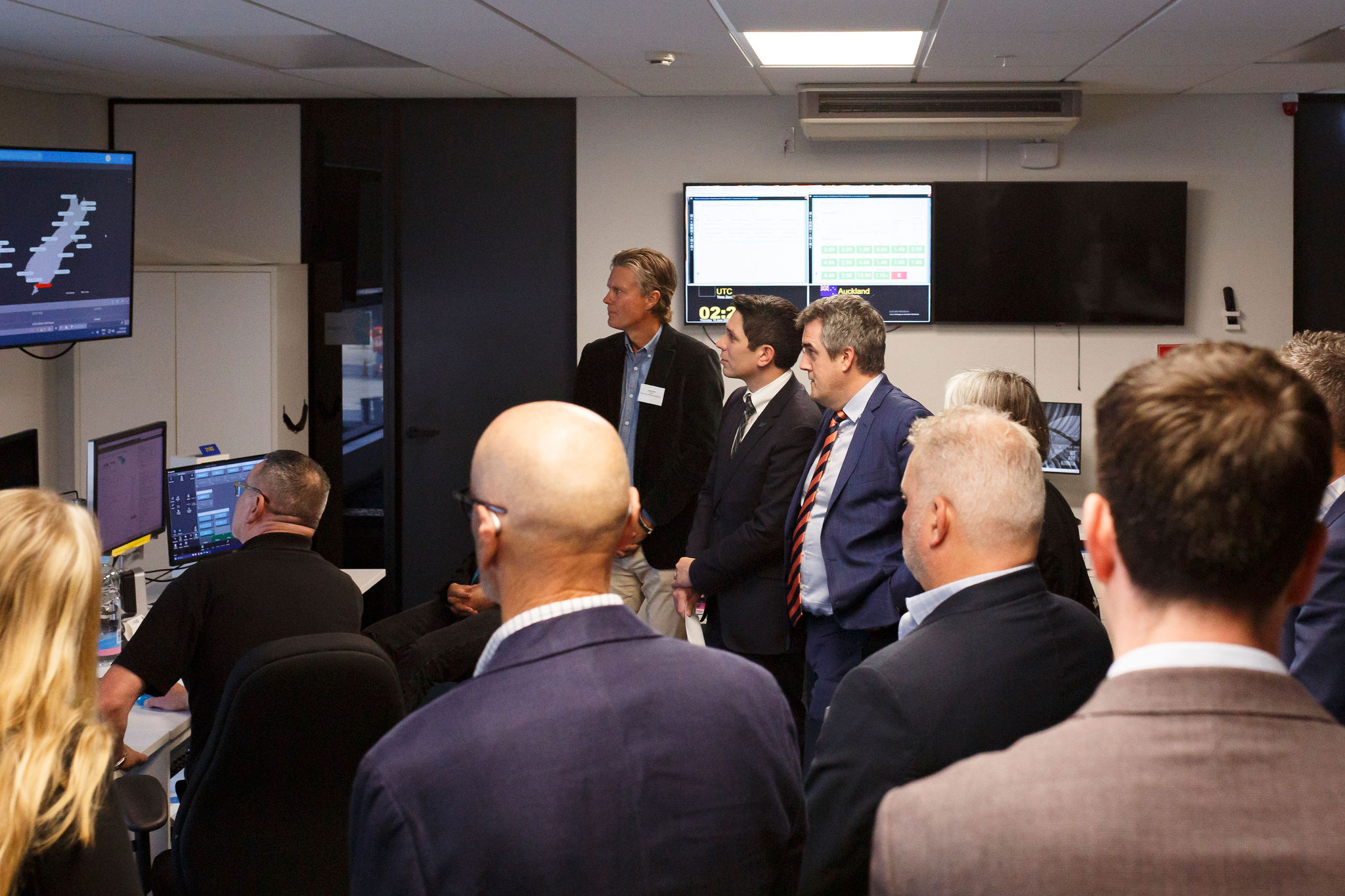
A recent trip to Samoa and Tonga was an opportunity to gain firsthand insights into the maritime challenges that many Pacific nations face. I travelled with Prime Minister Christopher Luxon and officials from Police, Customs, Defence, and Foreign Affairs. A key focus was to address shared maritime security concerns, including the increase in transnational crime.
Maritime resilience and security are critical to large ocean nations like Tonga and Samoa. However, their vast Exclusive Economic Zones (EEZ) are difficult to monitor and easy to exploit, making their oceans vulnerable to criminal activities.
Police and customs agencies have strong local knowledge and experience, but limited deployable resources compared to the complexity and sheer scale of their maritime domains. Illegal operators often exploit gaps in visibility by operating without identification or manipulating vessel tracking systems. This picture is consistent across the Pacific. Nearly every country and territory deals with vast EEZs, limited surveillance assets, and increasing use of maritime routes by organised crime.
Without actionable intelligence to pinpoint vessels of interest, patrols are conducted as systematic surveys by air or surface vessel. They’re time and resource intensive, costly, and struggle to locate vessels efficiently.
Introducing Starboard into the workflow accelerates the analysis to more quickly and accurately identify the vessels that warrant attention.
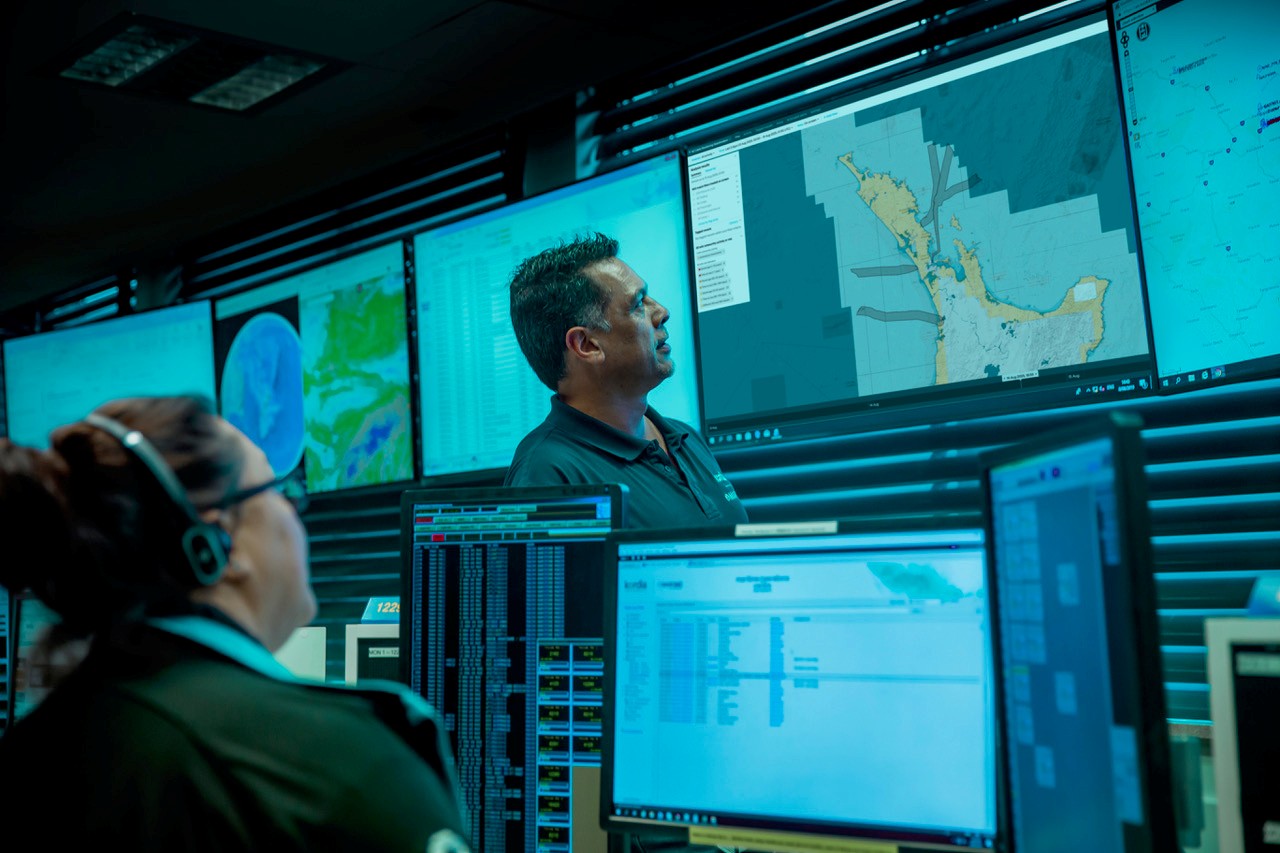
With the support announced on this trip, Samoa and Tonga will establish maritime crime watchfloors where teams can monitor vessel activity in and around their EEZs.
Using Starboard as the intelligence layer, they can assess patterns across days and weeks and flag behaviour that matches their local risk picture. Starboard consolidates everything— from risk indicators, behaviour analysis and alerts, satellite imagery, and sensor data—into a single operational view. Agencies will have a persistent picture of emerging risk that can be shared through the Pacific Transnational Crime Network.
With a consolidated view, teams can identify and align on priority vessels quickly and maintain continuity across shifts. It helps preserve institutional knowledge as staff rotate, because risk assessments and vessel history are captured in the system, not only in individual experience.
In practice, this supports fast and efficient tasking of patrol assets and improved evidence for operational decisions.

New Zealand already uses Starboard to support maritime domain awareness and protect critical subsea infrastructure. Extending access to Samoa and Tonga enables a more consistent regional approach.
A vessel that appears routine in one jurisdiction can present a different picture when its behaviour is assessed across multiple jurisdictions. This reduces gaps that are used to avoid detection.
This model has been applied in Pacific operations led by the Pacific Islands Forum Fisheries Agency, including Operation Nightwatch and Operation Rai Balang. In those operations, agencies used combined data sources and vessel history to support targeting decisions, leading to more focused patrols and better use of limited sea and air time.
The Samoa and Tonga watchfloors build on this approach, supporting coordination across jurisdictions through shared systems and established regional mechanisms.
This approach supports outcomes across organised crime, fisheries enforcement, and maritime security. It also applies to infrastructure protection. Maritime routes associated with illicit activity, commercial shipping, and fishing effort frequently intersect with cable systems, ports, and offshore energy assets.
The work with Samoa and Tonga reflects a broader effort to use shared maritime intelligence with regional partners to support both security and infrastructure resilience. For Pacific governments, subsea operators, and their partners, this means being able to understand vessel behaviour earlier, focus scarce patrol and repair resources where they are most needed, and coordinate responses across national boundaries.
Learn more about how Starboard is the common operating picture for the maritime world.